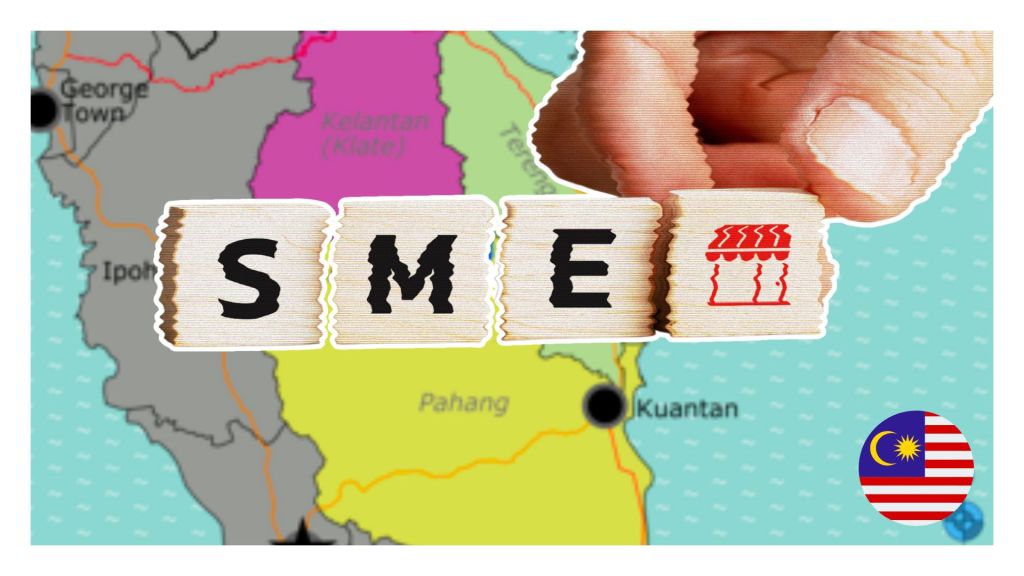
In Malaysia’s economic landscape, small and medium enterprises (SMEs) are significant contributors, drawing influences not only in economic growth but also in developing the community, social, and cultural fabric of the nation. Racking up a substantial 38.2 per cent contribution to GDP, SMEs form the backbone of Malaysia’s economic development. Still, it is in often overlooked realms of the East Coast, encompassing the states of Pahang, Terengganu, and Kelantan, where their impacts resonate most greatly.
On the East Coast, against the backdrop of aquamarine coastlines and green scenery, SMEs serve as linchpins for growth, not only diversifying economic activities but also threading the fabric of community development and cultural preservation.
Significantly contributing to economic growth, SMEs also play a great role in shaping the socio-cultural landscape of the East Coast. By empowering local entrepreneurs and promoting the preservation of indigenous culture and heritage, SMEs actively engage with and uplift the local communities from the likes of Khairul Aming who started out making cooking videos for his YouTube channel to now being one of the biggest brands in the sambal industry. This success story gives hope and inspiration to rising young entrepreneurs and existing businesses to strive bigger and further. Moreover, their commitment to innovation and growth fuels economic development, whilst making use of the resources that they have.
Economic contribution: Job creation and economic diversification
Khairul Aming, a visionary entrepreneur based his sambal business in his hometown, Kelantan, exemplifies the transformative power of entrepreneurship in creating jobs and diversifying the economy within the region. It provides multiple job opportunities for the local people so that they can improve their income and achieve welfare. The scale of SMEs and how they can benefit the community tremendously is great. In addition, Pahang, Terengganu, and Kelantan are a treasure trove of gems to discover.
In addition to individual success stories, the collective impact of SMEs on job creation and economic diversification is greater, especially on the East Coast. The locals here depend on the natural resources they can harvest daily. These enterprises span various industries, from agriculture and tourism to services and manufacturing, offering a diverse range of employment opportunities for the locals. The presence of SMEs in Pahang, Terengganu, and Kelantan generates employment opportunities as well as creates innovation and entrepreneurship. For example, the famous “keropok lekor” that originated on the East Coast took a whole turn when SME owners innovated different ways of cooking it. Whilst sustaining the traditional food and its origin, we see clever innovations out of it. Dried kerepok lekor, packeted and frozen keropok lekor, and even boiled kerepok lekor. The symbiotic relationship between SMEs and the local community fosters creativity and innovation whilst creating jobs for the local community that will exponentially increase the economy in this region.
Social impact: Community development and empowerment of local entrepreneurs
Within the vibrant tapestry of the East Coast’s economic landscape, SMEs also serve as backbones for community development initiatives. For example, with every operation in the region, these businesses not only drive job creation and economic growth but also foster relationships between local communities. Creating positive social impact, whilst cultivating cohesion and resilience within the community.
SMEs in the East Coast region serve as benchmarks and inspirations for aspiring entrepreneurs who want to dip their toes into the world of SMEs. Through mentorship programs that provide learnings and insights on how to navigate through the industry and at the same time build networks and establish relationships with other business owners. The entrepreneur ECER is an example of a program created to support participants in the efforts to scale their micro enterprises into SMEs by helping them improve their productivity, increase market penetration, and further expand into international markets.
Environmental sustainability: Adoption of green practices and community engagement in conservation efforts
SMEs are also championing environmental sustainability through the adoption of green practices. According to Grant Thornton International Business Report 2022, most SMEs are heading in the right direction as they believe that committing to environmental, social, and governance (ESG) practices can create long-term value, foster a strong workforce, and lead to increased business opportunities. By recognising the importance of preserving natural resources, these businesses are pioneering eco-friendly practices that reduce their carbon footprint and promote conservation.
It has been established clearly on the East Coast, that SMEs are not merely bystanders but rather active participants in community-led conservation efforts. Recently, The East Coast Economic Region Development Council (ECERDC), in collaboration with the Ministry of Economy, hosted the Malaysia Sustainable Development Goals (SDG) Summit 2024: Wilayah Timur in Kuala Terengganu which marked the final regional edition, paving the way for the Malaysia SDG Summit 2024 scheduled for to take place this July. It commenced with the first prelude event themed “Conservation of Cultural Heritage” at Laman Warisan Kampung Laut, Kelantan, in collaboration with the Tumpat District Council and strategic partner, the Kelantan State Tourism Information Centre (TIC). Former prelude events for the SDG Summit 2024: Wilayah Timur were held at the great, Tasik Chini, Pahang.
That being said, the financial sector plays an important role in supporting these businesses, especially SMEs in their transition. Bank Negara Malaysia (BNM) and the financial sector have introduced several initiatives to help SMEs build their technical capability and improve access to finance which include the JC3 ESG Jumpstart Portal and Simplified ESG Disclosure Guide (SEDG), the former is a one-stop portal that contains simple and practical reference guides for SMEs, and latter, a guide to help SMEs decide what ESG disclosures to track and report.
Throughout Pahang, Terengganu, and Kelantan, SMEs drive economic vitality by creating jobs, fostering social cohesion by empowering local entrepreneurs, preserving cultural heritage, and championing environmental conservation. These contributions form the foundation of a diverse and sustainable regional economy. Local communities enrich and safeguard the natural environment and resources for future generations.
As we reflect on various ways in which SMEs have shaped the East Coast, it becomes evident that their ongoing efforts and support are indispensable. By rallying together to support local businesses and SMEs, we not only uphold the many region’s holistic development but also pave the way for a brighter and more prosperous future specifically for those who call the “Pantai Timur” home.




 The Next Idea
Leave a comment