
The landscape for Malaysian SMEs is evolving rapidly, driven by global trends towards sustainability and environmental responsibility. In this dynamic environment, adopting sustainable practices is not just a moral imperative but also a strategic opportunity. Malaysian SMEs need to be smart and proactive in terms of the choices made for their businesses to stay afloat and keep thriving. Leveraging local sourcing, effective packaging strategies, as well as product diversification leads to enhanced sustainability, strengthened market position, and appeals to eco-conscious consumers.
Local sourcing and sustainability
Malaysian SMEs are already aware of the importance of local sourcing as a cornerstone of sustainable business operations – and not fully relying on external suppliers and import products. Despite the awareness, there seems to be a lack of efforts and choices made to further leverage the opportunity. SME owners need to reduce their reliance on imported raw materials and ingredients altogether and embrace rich local sources. Not only will it help to minimise their carbon footprint but also help local vendors such as local fisheries and eateries.
- Benefits of local sourcing: Local sourcing offers Malaysian SMEs several distinct advantages. Firstly, it reduces carbon emissions associated with transportation, contributing to a smaller environmental footprint. Secondly, it supports local economies by bolstering domestic supply chains and fostering community development. Lastly, sourcing locally often means fresher, higher-quality ingredients or materials, which can enhance product appeal and customer satisfaction.
- Challenges and solutions: Despite these benefits, SMEs may encounter challenges such as higher costs or limited availability compared to global alternatives. To address these challenges, SMEs can collaborate closely with local suppliers to negotiate competitive pricing and explore government incentives or subsidies aimed at promoting sustainability initiatives. Building resilient partnerships within local communities also helps mitigate risks associated with supply chain disruptions.
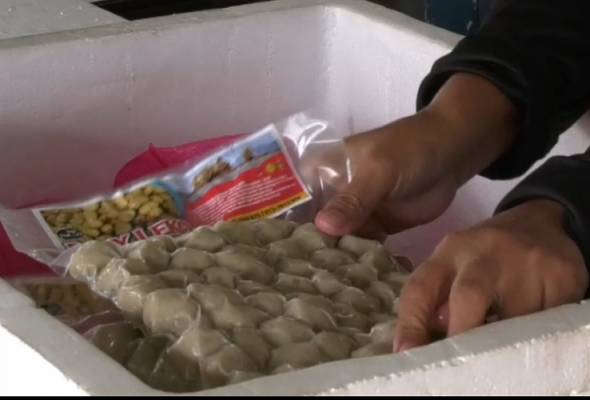
Case Study: Several pioneering SMEs in Malaysia have successfully integrated local sourcing into their business models. For example, local SME owners that sell keropok lekor are sourcing their raw materials such as fish from local fisheries which have differentiated themselves by prioritising locally grown, sustainable ingredients. This commitment not only enhances their brand reputation but also fosters strong customer loyalty among eco-conscious consumers.
Effective Packaging and Branding Strategies
Product packaging no doubt serves as a multifaceted tool that goes beyond mere packaging and protection of the products. People like pretty things – the same goes for crafting and designing packaging for certain products. For these SME owners, adopting effective packaging strategies is not only for their functionality but also for aligning their sustainability goals.
Packaging as a Strategic Tool: Packaging serves as more than just a protective vessel for products—it is a crucial component of branding and sustainability efforts. In Malaysia, innovative packaging solutions that prioritise eco-friendly materials and minimalistic designs are gaining traction. These solutions not only appeal to environmentally aware consumers but also contribute to reducing overall environmental impact.
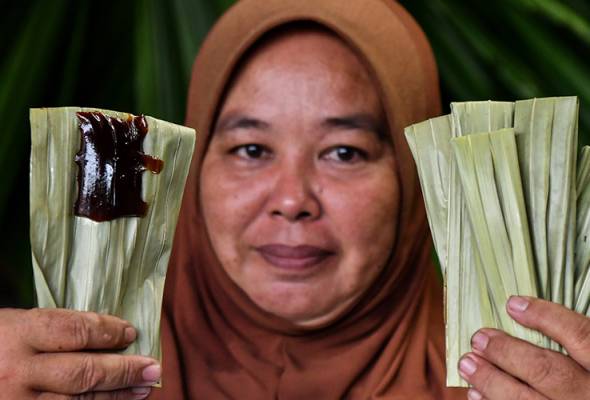
Best Practices and Innovations: For example, you can see a lot of SME owners especially those that sell food and beverages. The packaging usually uses recyclable materials such as daun palas to pack Malaysian favourite delicacy, dodol, which exemplifies best practices in sustainable packaging within Malaysia. By pioneering solutions that minimise waste and utilise biodegradable materials, they have set a benchmark for eco-friendly packaging. Such initiatives not only align with consumer preferences but also drive sales and market share growth through enhanced brand trust and loyalty.
Diversification into new product lines
Expanding into new product lines represents a strategic growth opportunity for these SME owners. This also means they are looking to further diversify their products and attract new market segments. In this context specifically, sustainability – product diversification can be many things – it can also be approached as an extension of the original product line that addresses specific environmental responsibility.
- Strategic expansion opportunities: Product diversification presents Malaysian SMEs with opportunities to innovate and cater to evolving consumer preferences. By leveraging local sourcing capabilities and sustainable practices as unique selling points (USPs), SMEs can explore new markets and segments effectively.
- Market research and consumer insights: Successful diversification hinges on robust market research and a deep understanding of consumer trends. Malaysian SMEs can identify viable opportunities by analysing market gaps and consumer demands for sustainable products. This proactive approach helps in crafting compelling product offerings that resonate with target audiences.
Success story: Numerous Malaysian SMEs have thrived through strategic product diversification rooted in sustainability. From eco-friendly personal care products to organic fashion lines, these ventures have not only expanded revenue streams but also solidified their reputation as ethical and forward-thinking brands. Roslan Bidin’s success story is selling rattan handicrafts. He suffered from blindness in the left eye and partial vision in the right, but that did not stop him from succeeding in the business world.
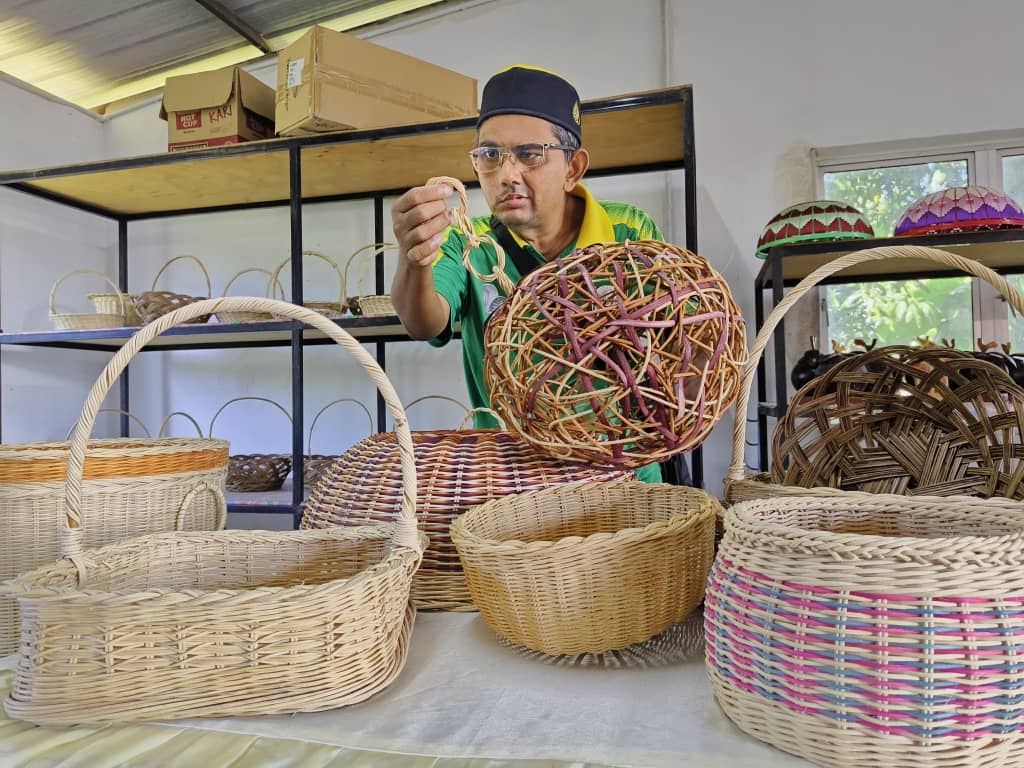
By aligning expansion strategies with sustainability goals, these SMEs have cultivated stronger customer relationships and competitive advantages in their respective markets. Those who want to make a reservation can come directly to the Bengkel Kraftangan Rotan located in Kampung Beseri Dalam, Kilometer 11, Jalan Padang Melangit in Kangar, Perlis.
Malaysian SMEs that embrace sustainability through local sourcing, effective packaging strategies, and product diversification lead to a pathway of long-term success and resilience. As mentioned earlier, SME owners must take the initiative and improve their businesses by integrating these strategies into their business models – not only will it contribute positively to the environment but also enhance their market competitiveness and appeal to a growing base of eco-conscious consumers in Malaysia.




 The Next Idea
Leave a comment