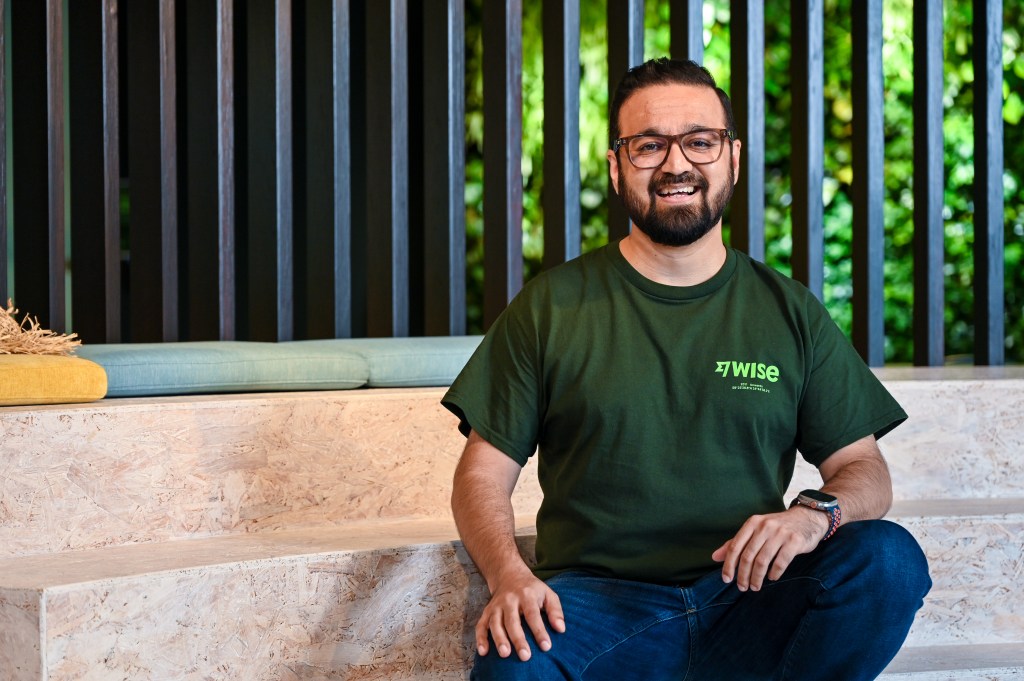
When Shrawan (SK) Saraogi joined Wise in 2022, he wasn’t just stepping into a high-growth fintech firm. He was entering one of the most fragmented financial regions in the world. As the APAC Head of Expansion, SK’s mission is clear: make international payments faster, cheaper and more transparent in a region where regulation, currency controls and infrastructure can vary drastically from one border to the next.
“Wise has always focused on solving real problems. Sending money across borders shouldn’t be expensive or confusing,” SK says. “Southeast Asia, with its diversity, is both the ultimate challenge and opportunity.”
APAC is Wise’s second-largest revenue-generating region, contributing over 20 percent of its global revenue for FY24, with a robust 33 percent year-on-year growth. “We believe this is only the beginning,” says SK. “From freelancers to SMEs, customers in the region are demanding faster, fairer ways to move money, and we’re building to meet that.”
Wise is emerging as a household name in the region
Wise, formerly known as TransferWise, has become a household name for its borderless accounts and transparent fee structure. But in ASEAN, even a recognisable brand must navigate the complexities of localisation. From obtaining licenses in each market to integrating with domestic payment systems, the expansion strategy must be as flexible as it is focused.
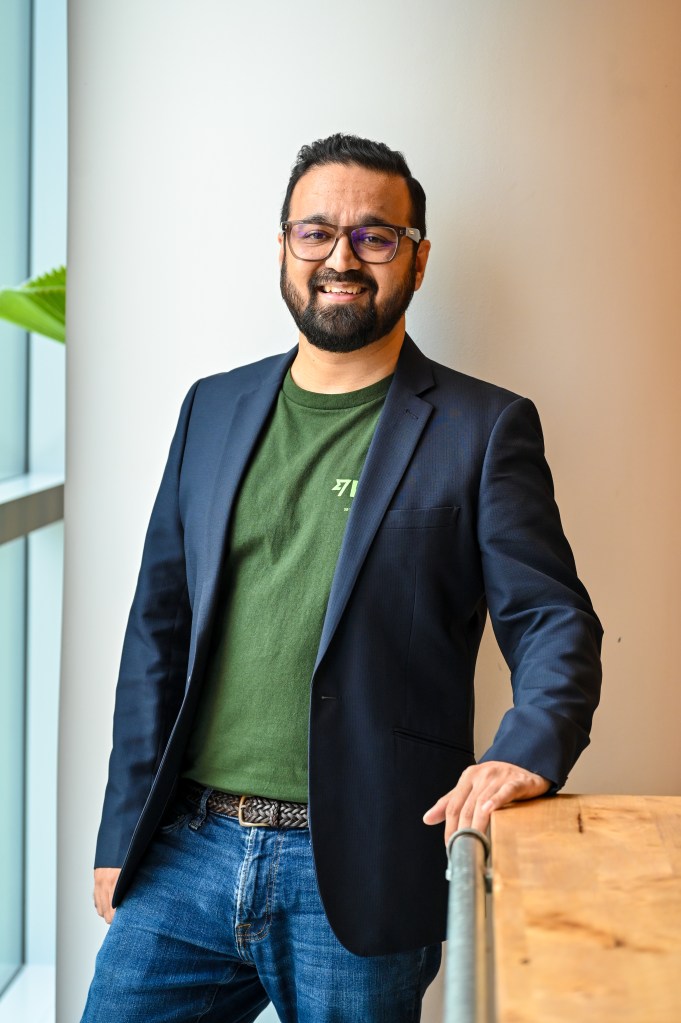
“What works in Singapore doesn’t necessarily work in Indonesia or Vietnam,” SK points out. “Each market requires deep understanding, how people use money, what regulators expect, and how to plug into local ecosystems without creating friction.”
This local-first approach is what underpins Wise’s product strategy. In Singapore, Wise partnered with PayNow for instant domestic transfers. In Malaysia, it worked closely with Bank Negara to launch its services within the parameters of the country’s financial framework. In Indonesia and the Philippines, Wise continues to engage with regulators to enable more services while ensuring compliance.
That ambition includes connecting to domestic systems like FAST in Singapore and InstaPay in the Philippines. “Unlike traditional providers that rely on intermediary banks, we process transactions end-to-end on our own infrastructure. That’s what makes it faster and more transparent,” SK explains. Today, Wise has six direct connections to local payment rails, which power faster and more efficient cross-border movement.
Helping SMEs and remote-first teams with reliable finance solutions
Despite the hurdles, Wise’s bet on Southeast Asia is paying off. In FY24, Wise saw a significant increase in individual and business users in Singapore alone, with a 30 percent year-on-year rise. A growing portion of users across the region are SMEs and remote-first teams looking for reliable financial infrastructure.
“The traditional banking system wasn’t built for how people live and work today,” SK explains. “Our customers are remote workers, digital nomads, ecommerce entrepreneurs. They need a financial infrastructure that moves as fast as they do.”
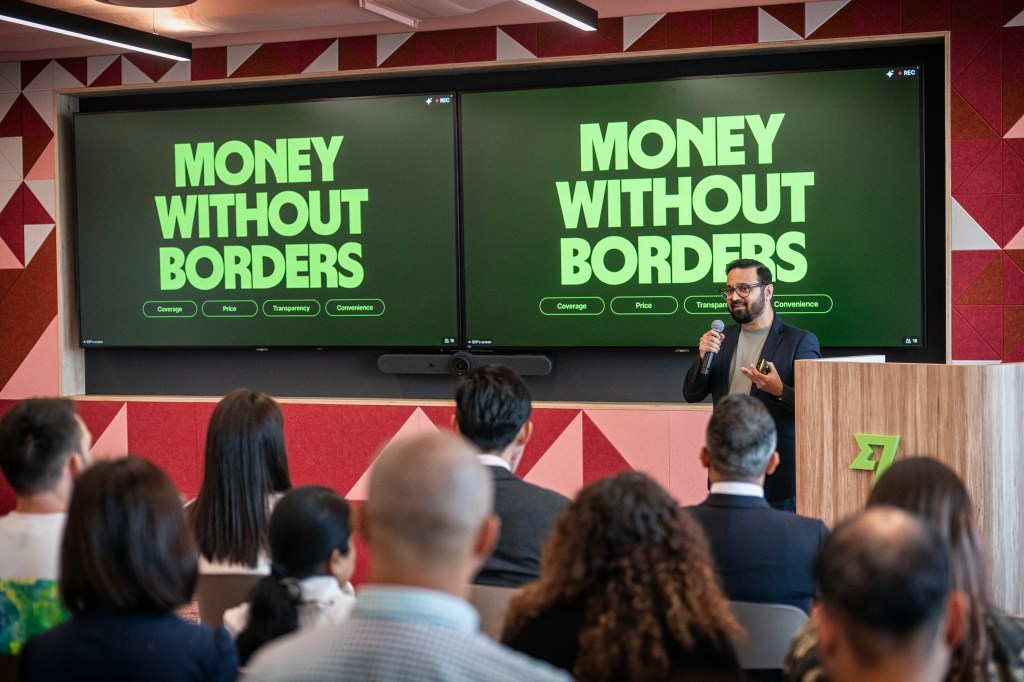
A case in point is Novelship, a Singapore-based leading online marketplace for sneakers, apparel and collectibles, serving over 1.5 million users in 15 countries. It was important for them to pay international suppliers and sellers quickly after dispatching items to build trust; however, traditional methods were manual, time consuming, and expensive due to exchange rate markups.
Since using Wise Business in 2021, Novelship has been able to use batch payment processing to initiate up to 1,000 transfers at a time; and with Wise’s mid-market exchange rate, Novelship was able to save around $20,000 and 20 hours per month to carry out cross-border transactions.
“Helping SMEs operate globally without facing unnecessary costs is a core part of our mission,” SK adds.
Pushing boundaries, literally
Wise’s ambition goes beyond transfers. The company is investing in real-time payment rails and pushing for interoperability between national systems. After connecting to InstaPay, 64 percent of Peso transfers to the Philippines were delivered within seconds in Q1 2025. SK believes long-term success in Southeast Asia depends on collaboration with both regulators and industry players to modernise financial infrastructure.
“We’re not here to disrupt for the sake of disruption,” he says. “We want to complement and improve existing systems. The goal is to make cross-border money movement as easy as sending a text.”
Wise Platform, the company’s B2B infrastructure arm, is now enabling banks like Standard Chartered, Mox and Bank Mandiri to offer Wise-powered transfers within their native apps. “By embedding our infrastructure into banks’ platforms, we help them offer faster, more transparent services without rebuilding from scratch,” SK says.
As digital payment volumes surge across Southeast Asia, so too does scrutiny. Regulators are tightening oversight on digital wallets, remittance services and fintech platforms. But for SK, this is a positive signal.
“Good regulation builds trust. It’s not a roadblock, it’s a foundation. If you want to build something that lasts, especially in financial services, you need to do it right.”
Collaboration is key
Wise’s Singapore office also reflects its ethos. Designed with feng shui elements, nap pods and Asian folklore-inspired zones, the space fosters collaboration across cultures. “Scaling doesn’t mean losing agility,” SK says. “It means designing systems, both human and technical, that can grow with intent.”

Looking ahead, Wise is focused on expanding use cases for business clients, improving customer education and doubling down on Wise Platform partnerships. In Singapore, for example, it recently launched a free invoicing tool for SMEs and added multi-user access features for global teams.
“Financial literacy is part of the product experience,” says SK. “When users understand how fees work or why a particular route is faster, they feel more in control. That’s powerful.”
In a region defined by diversity and digital acceleration, Wise’s playbook is pragmatic, not prescriptive. It’s built on listening, adapting and integrating, not just launching. And in the ASEAN fintech maze, that might be the smartest way forward.

 The Next Idea
Leave a comment