For many small and medium-sized enterprises, survival is not just about great products or loyal customers. It is also about the environment in which they operate. Location, regulations, and the ability to attract footfall can make or break a business. In Singapore, the Singapore River precinct is a prime example of how a collective approach to placemaking can change the fortunes of SMEs. Once seen primarily as a heritage site, the area has evolved into a vibrant hub for dining, nightlife, and lifestyle businesses.
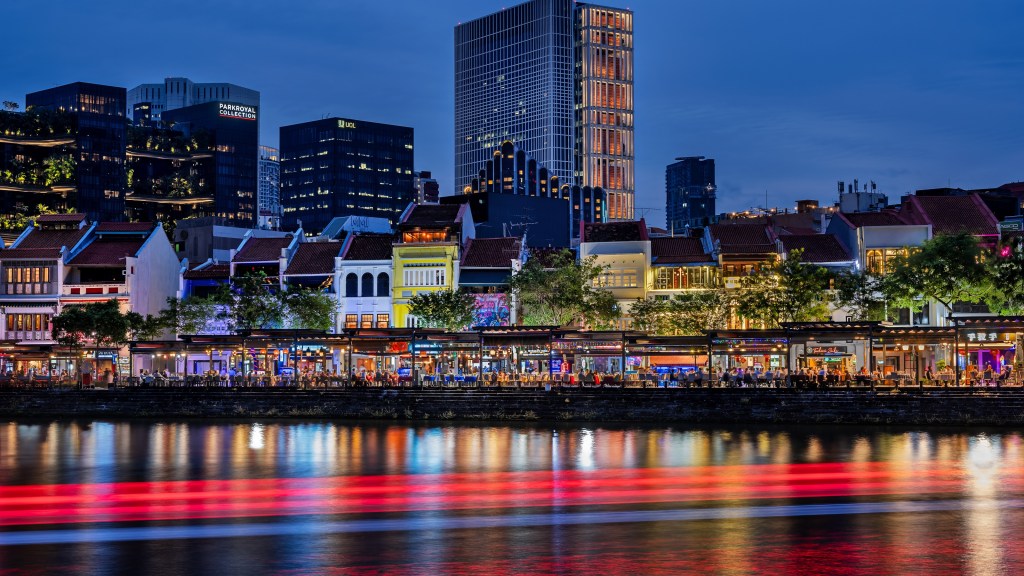
Behind this transformation is Singapore River One (SRO), the place manager and pilot Business Improvement District (BID) that has spent over a decade balancing commercial growth with heritage preservation. For SMEs, particularly in F&B and retail, SRO’s work shows how thoughtful coordination between businesses, government, and the community can create a resilient ecosystem where even the smallest players have room to thrive.
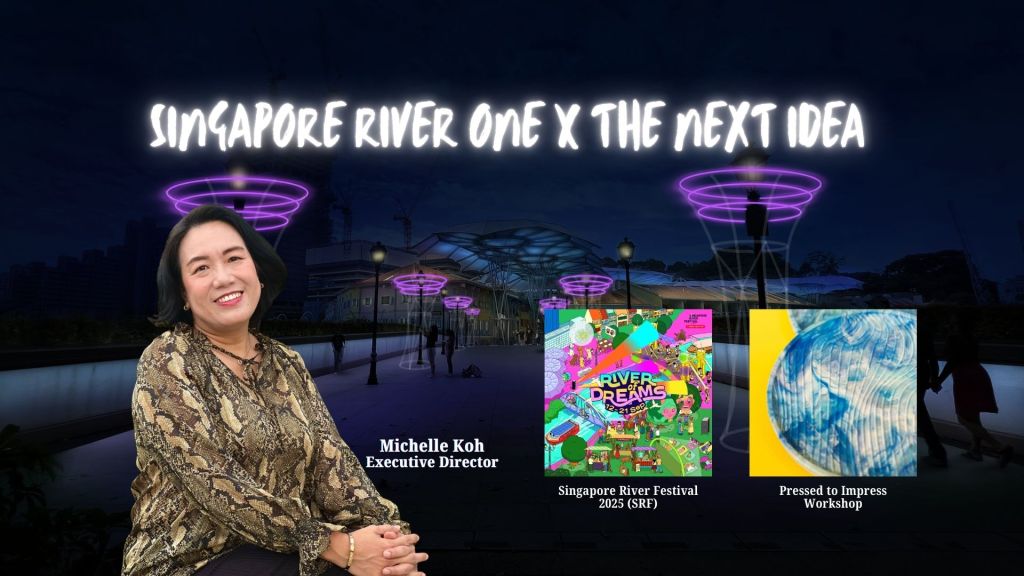
We spoke with Singapore River One’s Executive Director, Michelle Koh, who has led the organisation for over a decade. In this conversation, she shares the mindset shifts, lessons, and future plans that are shaping one of Singapore’s most dynamic precincts.
Shifting mindsets: from heritage maintenance to brand building
“When I first joined SRO, placemaking was still a very new concept in Singapore. The key objective was convincing stakeholders to trust that SRO was on their side,” Michelle reflects. Winning that trust required patient relationship-building, not just reliance on government directives.
Over time, the approach matured. Instead of treating the river as a set of heritage landmarks, SRO began to position it as a unified brand. Through cohesive storytelling and sustained programming, the precinct was elevated into a business-friendly destination that still respected its historical roots.
The BID experiment and what it means for SMEs
SRO’s appointment as Singapore’s first pilot BID by the Urban Redevelopment Authority gave the organisation both responsibility and opportunity. It created a framework for shared ownership between government, businesses, and the community.
For SMEs, this has translated into practical support. Festivals like St. Patrick’s, which grew from a one-day road closure into a four-day celebration, are designed with active business involvement to ensure commercial benefits. At the same time, annual visitor surveys and SME engagement sessions capture business needs and feed them directly into strategy, helping operators increase dwell time and footfall.
Supporting resilience in a changing economy
Many SMEs across Boat Quay, Clarke Quay, and Robertson Quay face common pressures: rising costs, labour shortages, and shifts in consumer behaviour. SRO’s response has been multi-layered.
In April 2024, they signed an MOU with the Singapore Nightlife Business Association (SNBA), automatically enrolling all SRO members as SNBA members. This gave businesses access to advocacy platforms, resources, and tangible wins like extended alcohol hours after a 16-year moratorium. Public-private partnerships have also helped smooth regulatory challenges, particularly in licensing.
On the marketing front, initiatives like Voices by the River spotlight both heritage operators and new entrepreneurs, strengthening emotional connections with local customers. Operationally, monthly joint inspections with NEA and targeted clean-up efforts ensure the precinct remains a pleasant place to visit, which directly benefits SMEs dependent on foot traffic.
Festivals, storytelling, and community identity
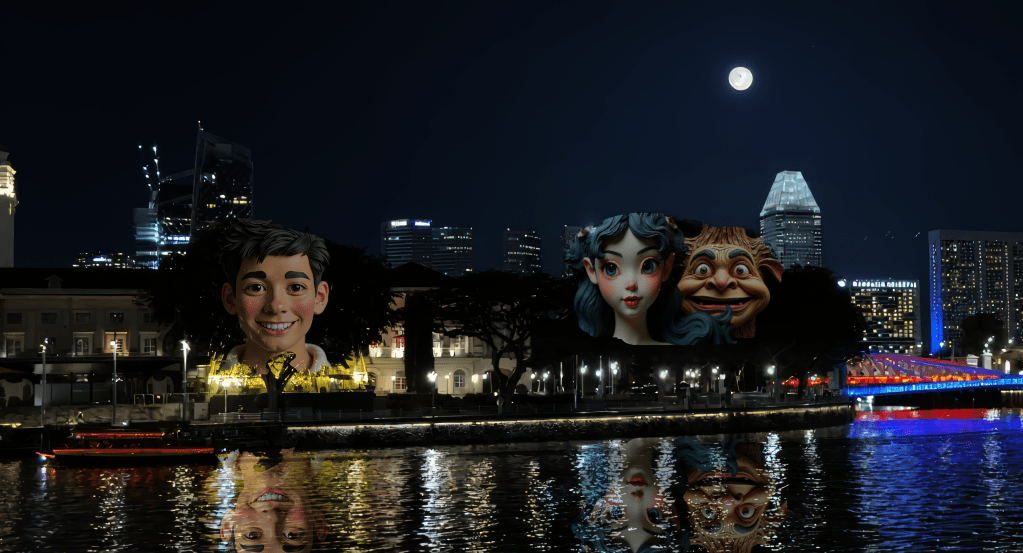
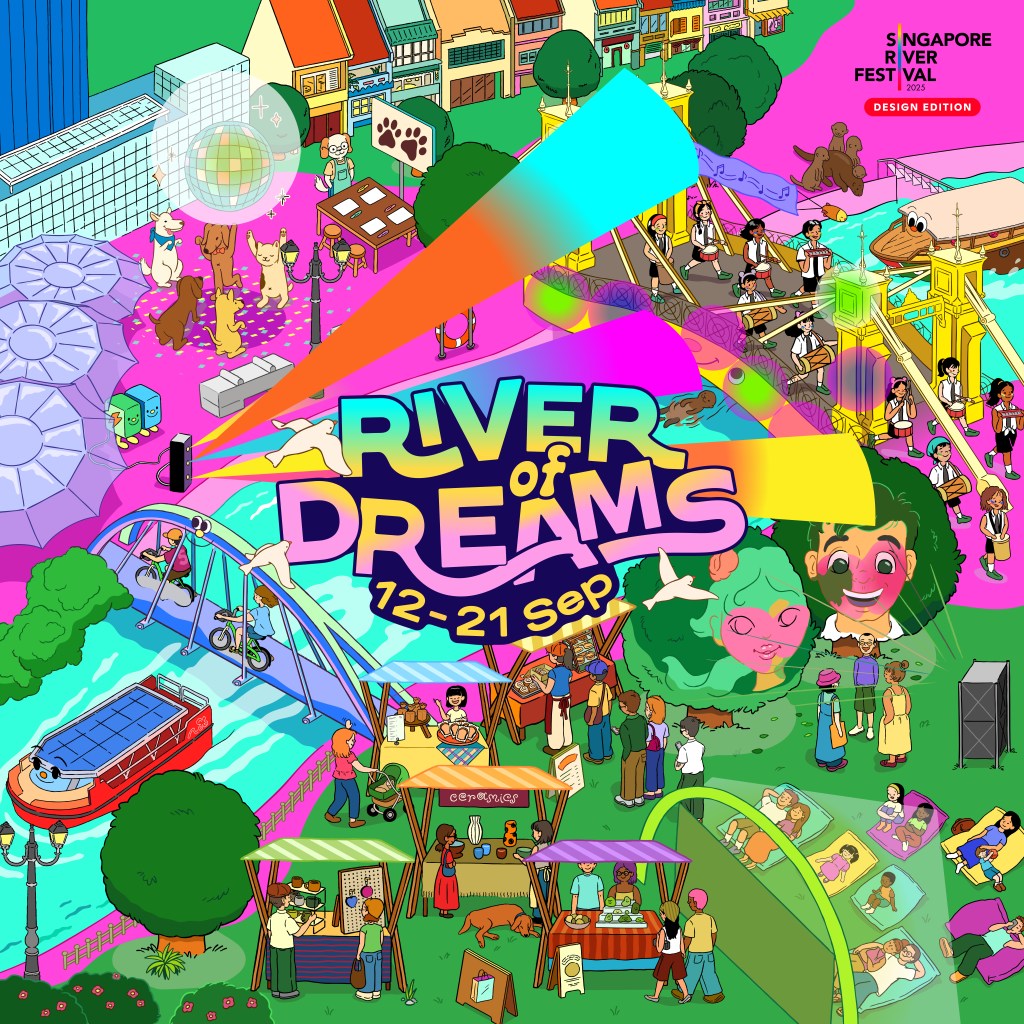
One of the most visible outcomes of SRO’s efforts is the Singapore River Festival. With its mix of light installations, architectural tours, hands-on workshops, and curated food promotions, the festival does more than entertain. It activates the precinct, increases dwell time, and drives revenue back to local businesses.
“Events like these spotlight the river as a destination and showcase its unique businesses. They are about community building as much as they are about visitorship,” Michelle explains.
Lessons from working with SMEs
Asked what unexpected lessons she has learnt, Michelle is quick to point to the basics. “Sincerity, patience, and follow-through are everything. Relationships take time, and stakeholders need to see results before they trust you.”
To make that trust sustainable, SRO has embedded relationship-building into its organisational culture rather than leaving it to individuals. This ensures continuity even as teams change.
Navigating crises and embracing technology
The COVID-19 pandemic tested every business ecosystem, and the river precinct was no exception. With its role as place manager, SRO was able to pivot quickly. It hosted business-focused webinars with industry associations, disbursed rental waivers, and launched a voucher campaign that injected about $200,000 worth of spending power into local businesses.
Virtual marketing also came into play, from Heygo! tours showcasing Robertson Quay to international audiences to augmented reality features at later editions of the Singapore River Festival. The experimentation with digital engagement has since become a permanent part of SRO’s toolkit, reflecting how technology can help SMEs reach beyond physical footfall.
What lies ahead for the precinct
Looking forward, SRO is working on making the river even more walkable and connected by 2026. Weekend road closures may be extended beyond Circular Road to enhance the pedestrian experience. The relaxation of alcohol licensing hours, meanwhile, creates fresh opportunities for nightlife businesses to reinvent their concepts.
Landlords and operators are being encouraged to rethink tenant mixes, ensuring the precinct stays vibrant and relevant. For SMEs, this is a chance to align with broader placemaking strategies that attract both locals and tourists.
Advice for other place managers
Michelle’s advice to her peers is grounded in the long view. “Be patient, be sincere, and always put in the work to build trust. Placemaking is a long-term marathon.”
She highlights how the BID framework has fostered stronger collective ownership and surfaced valuable ground-up feedback, influencing wider policy decisions on licensing and outdoor refreshment areas. For other historic or high-footfall neighbourhoods, the lesson is clear: authentic collaboration is the foundation of sustainable business ecosystems.


 The Next Idea
Leave a comment